GLP-1 medication: what the first 90 days actually look like
Most people starting a GLP-1 have seen the before-and-after photos and none of the middle. The middle is where the work happens: a careful evaluation, a slow dose ramp, honest side-effect management, and enough protein and strength work to protect the muscle you already have.
7 min read · Updated September 1, 2026 · Reviewed by Brittany Zaretsky, MSN, APRN, FNP-BC
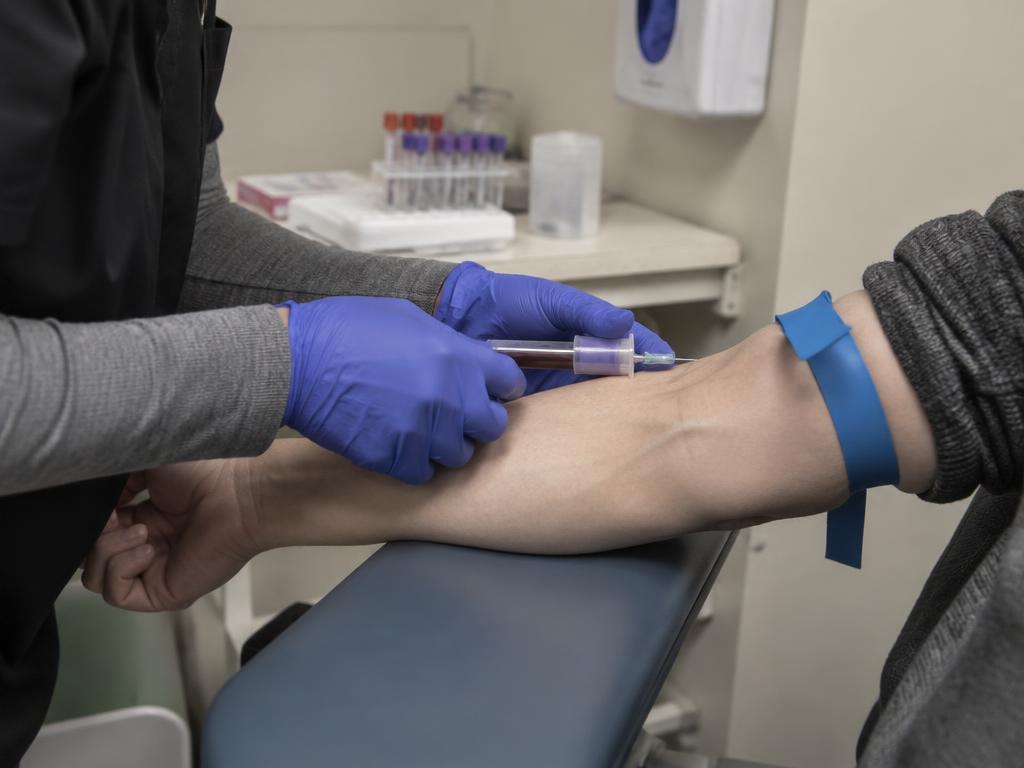
Weeks 1–2: evaluation before anything is prescribed
Care starts with a full intake, not a prescription. Your provider reviews your weight and health history, current medications and supplements, prior attempts at weight management, personal and family history, and any symptoms that need attention on their own. Lab work is ordered when it is clinically appropriate.
This is also the step where a GLP-1 may be ruled out. Certain histories make these medications inappropriate, and some symptoms point somewhere else entirely, thyroid issues, sleep apnea, or a medication you are already taking that promotes weight gain. A consultation is an evaluation; it is not a guarantee of a prescription.
Weeks 3–6: the starting dose is deliberately low
GLP-1 therapy is titrated. The opening dose is not intended to produce dramatic change, it is intended to let your body adjust with the fewest side effects possible. Nausea, fullness, constipation, reflux, and fatigue are the common complaints, and they are usually worst in the days after a dose increase.
Most of that is manageable with the boring fixes: smaller meals, stopping at comfortably satisfied rather than full, water throughout the day, fiber, and easing off very fatty or very large meals. Tell your provider what you are feeling instead of waiting it out, holding a dose longer is a legitimate clinical decision, not a failure.
- Eat protein first at every meal, then vegetables, then starch
- Keep meals smaller and more frequent while appetite signals change
- Hydrate deliberately, appetite suppression usually suppresses thirst cues too
- Report severe or persistent vomiting, dehydration, or intense abdominal pain right away
Weeks 6–12: dose adjustments and protecting muscle
By the second and third month, the question shifts from tolerability to whether the plan is working. Your provider looks at trend, not any single week: appetite control, energy, side effects, lab results when applicable, and whether a dose increase is warranted or the current dose is doing enough.
Rapid weight loss without resistance training and adequate protein costs you lean mass, and lean mass is what keeps your metabolic rate up after the medication phase ends. Two or three strength sessions a week and a protein target you actually hit are not optional extras, they are the difference between weight loss and body-composition change.
What follow-up looks like after that
Follow-ups are more frequent early on and typically space out once you are stable on a dose. Each visit is $75; a first-time consultation is $150. Labs and medication are billed separately because they are paid to the lab and the pharmacy rather than to us.
The long view matters here. GLP-1 therapy is not a 12-week event, and the plan for maintenance, what happens at your goal, how you taper or continue, what habits carry the result, should be part of the conversation well before you get there.
A $150 consultation is where the guessing stops.
Follow-up visits are $75. Labs and medication are billed separately.
Answered plainly.
Many people notice reduced appetite within the first one to two weeks, though the size of that effect varies widely and often changes again with each dose increase. Some people notice very little at a starting dose, which is expected, the opening dose is primarily about tolerability.
That is a clinical decision based on your history, other conditions, coverage, and current availability, not something to choose in advance. Your provider will explain which options may be appropriate for you and why.
A first-time telehealth consultation is $150 and follow-up visits are $75. There is no free consultation. Lab work and medication are billed separately, and medication pricing depends on the product, your dose, and your coverage.
Lab work is ordered when it is clinically appropriate based on your history, symptoms, and current medications. Your provider will explain which tests, if any, are needed before treatment is considered.
More on our general FAQ page.
This article is educational and is not medical advice. GLP-1 medications are prescription treatments that are not appropriate for everyone. Eligibility, dosing, and monitoring are determined only by a licensed provider, and results vary from person to person.
Online appointments are available to eligible patients in Boca Raton, Parkland, Delray Beach, Coral Springs, Boynton Beach, Miami, throughout Florida, and statewide in Arizona.