
The labs that matter before weight loss or hormone treatment
Fatigue, weight gain, low libido, and poor sleep are the four complaints that bring most people in, and every one of them has several plausible causes. Lab work is how you stop guessing, both to find the driver and to establish a baseline you can measure change against.
7 min read · Updated September 2, 2026 · Reviewed by Brittany Zaretsky, MSN, APRN, FNP-BC
Metabolic markers
These describe how your body is handling glucose and lipids, and they often explain symptoms people attribute to willpower.
- A1c and fasting glucose for glucose regulation over time
- A lipid panel for cardiovascular risk context
- A comprehensive metabolic panel covering kidney and liver function
- Insulin or related markers where clinically indicated
Thyroid, iron, and blood count
This group catches a large share of the cases where fatigue and weight change are not primarily metabolic or hormonal at all.
- TSH, with free T4 and free T3 when indicated
- Ferritin, which can be low even when hemoglobin is normal
- CBC, including hematocrit, also a safety marker on testosterone therapy
- Vitamin D and B12 where symptoms or history support testing
Hormones, interpreted in context
Hormone results mean little on their own. They are read against your age, symptoms, cycle timing where applicable, time of day for the draw, and any medications you take.
- Total and free testosterone, drawn in the morning and confirmed before treatment
- Estradiol, and progesterone where cycle timing makes it useful
- LH, FSH, and prolactin when the pattern calls for them
- PSA as a baseline safety marker before testosterone therapy in men
How testing works here, and what it costs
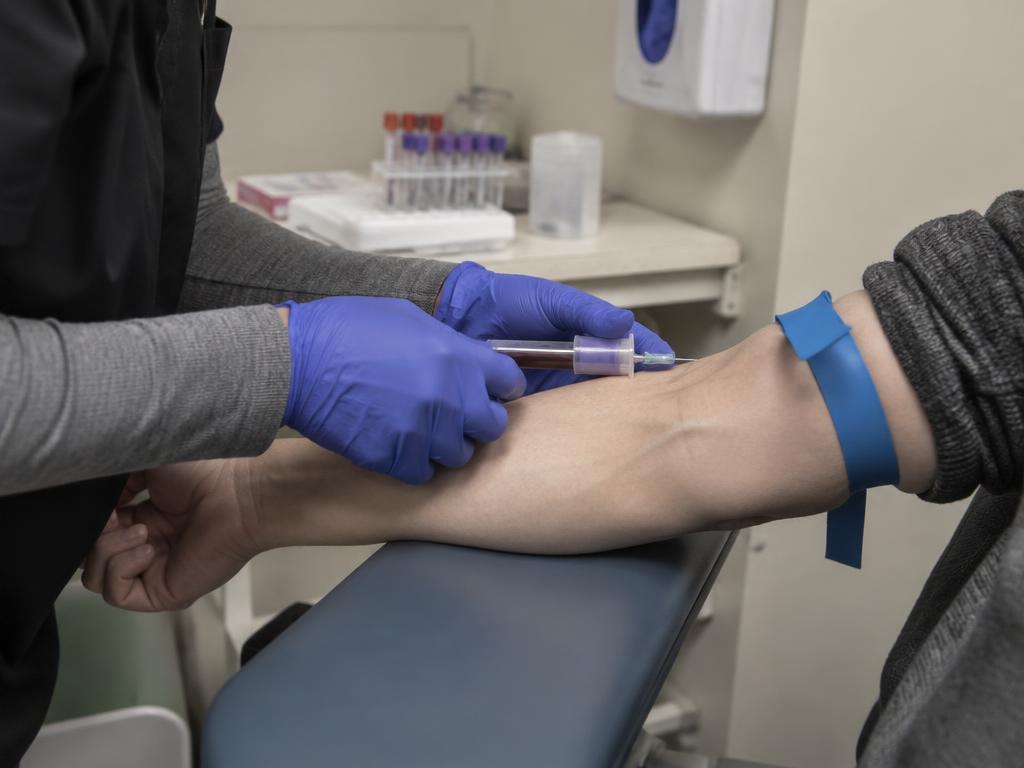
Your provider orders the panel that fits your history and symptoms rather than a fixed menu, and you complete the draw at a lab facility near you in South Florida or Arizona. Results are reviewed with you, and treatment decisions follow the review.
A first-time consultation is $150 and follow-up visits are $75. Lab work is billed separately because it is paid to the lab, and pricing depends on the panel ordered and your coverage.
A $150 consultation is where the guessing stops.
Follow-up visits are $75. Labs and medication are billed separately.
Answered plainly.
Some tests are affected by recent food and some hormone tests are best drawn in the morning. Your provider gives you specific instructions with the order, so follow those rather than a general rule.
Often yes, depending on how recent they are and what was measured. Bring them to your consultation and your provider will tell you what still needs to be repeated.
No. A first-time consultation is $150 and follow-up visits are $75; lab work is billed separately by the lab. There is no free consultation.
Yes for most treatments. Follow-up testing checks both response and safety markers, and dosing decisions are made from those results together with your symptoms.
More on our general FAQ page.
This article is educational and is not medical advice. Hormone therapy is a prescription treatment that carries risks and requires ongoing monitoring. Whether it is appropriate for you is determined only by a licensed provider after evaluation.
Online appointments are available to eligible patients in Boca Raton, Parkland, Delray Beach, Coral Springs, Boynton Beach, Miami, throughout Florida, and statewide in Arizona.