Weight that will not move: GLP-1, hormones, or both?
Around forty, two things tend to happen at once: metabolic rate and muscle mass drift down, and sex hormones start moving. Treating only one of them is why so many people feel like they are doing everything right and getting nowhere.
6 min read · Updated September 1, 2026 · Reviewed by Brittany Zaretsky, MSN, APRN, FNP-BC

Start with what the symptoms point to
Weight gain with strong appetite drive, constant food noise, and a family history of type 2 diabetes points one direction. Weight gain alongside broken sleep, night sweats, cycle changes, low libido, and mood shifts points another. Many people have both patterns, which is precisely why guessing fails.
The workup usually overlaps
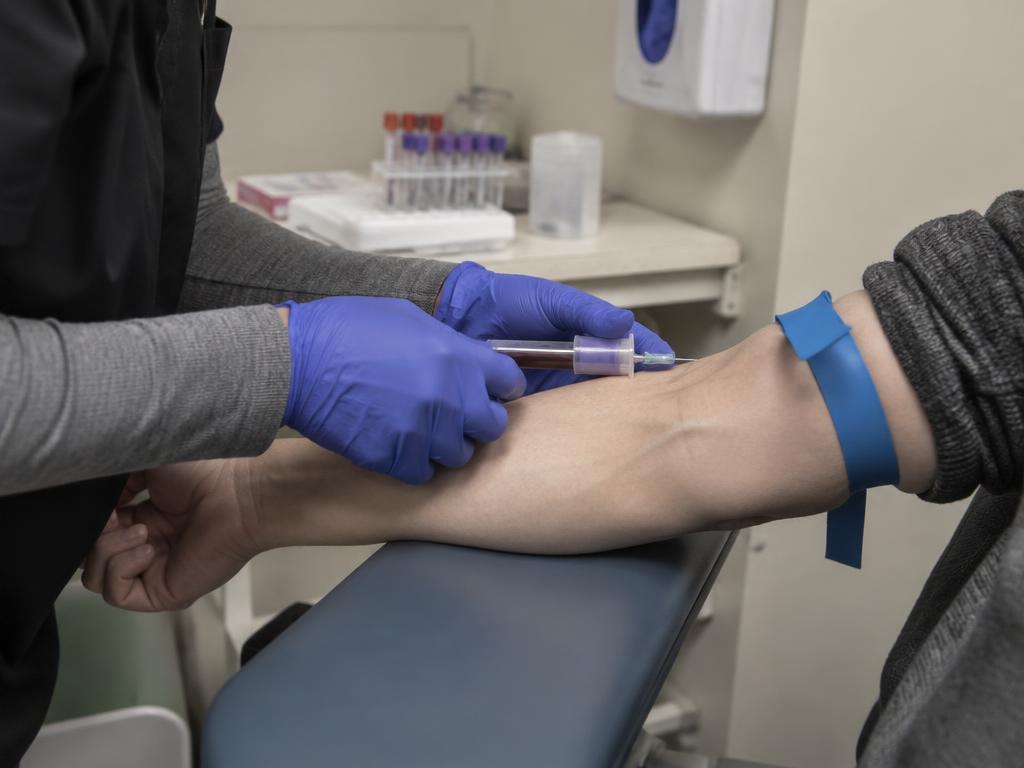
A thorough evaluation for either path covers a lot of the same ground, which is an advantage: one round of appropriate testing informs both decisions.
- Metabolic markers such as A1c, fasting glucose, and a lipid panel
- Thyroid function, ferritin, and CBC
- Sex hormones interpreted in the context of age, cycle, and symptoms
- A review of current medications, several of which promote weight gain
- Sleep quality and screening for sleep apnea where indicated
Why sequencing beats stacking
Starting two significant treatments in the same week makes it impossible to know which one produced a benefit or a side effect. Providers generally address the most disruptive problem first, give it enough time to be evaluated, then reassess.
If broken sleep and night sweats are wrecking your recovery, fixing that may change your appetite and training capacity on its own. If appetite dysregulation is the dominant issue, metabolic treatment may come first while hormonal symptoms are monitored.
What does not change either way
Protein intake, resistance training two to three times a week, sleep, and alcohol load determine how much benefit any prescription can deliver. Medication changes the difficulty of the work; it does not replace it.
A $150 consultation is where the guessing stops.
Follow-up visits are $75. Labs and medication are billed separately.
Answered plainly.
Sometimes, but your provider will usually sequence treatment so that the effect of each change can actually be evaluated. That decision depends on which symptoms are most disruptive and on your labs and history.
Panels are individualized, but metabolic markers, thyroid function, ferritin and CBC, and sex hormones interpreted in context are common starting points. Your provider will explain what is needed for your situation.
A first-time consultation is $150 and follow-up visits are $75. Lab work and medication are billed separately. There is no free consultation.
More on our general FAQ page.
This article is educational and is not medical advice. Hormone therapy is a prescription treatment that carries risks and requires ongoing monitoring. Whether it is appropriate for you is determined only by a licensed provider after evaluation.
Online appointments are available to eligible patients in Boca Raton, Parkland, Delray Beach, Coral Springs, Boynton Beach, Miami, throughout Florida, and statewide in Arizona.