Low testosterone symptoms men in their 30s and 40s dismiss
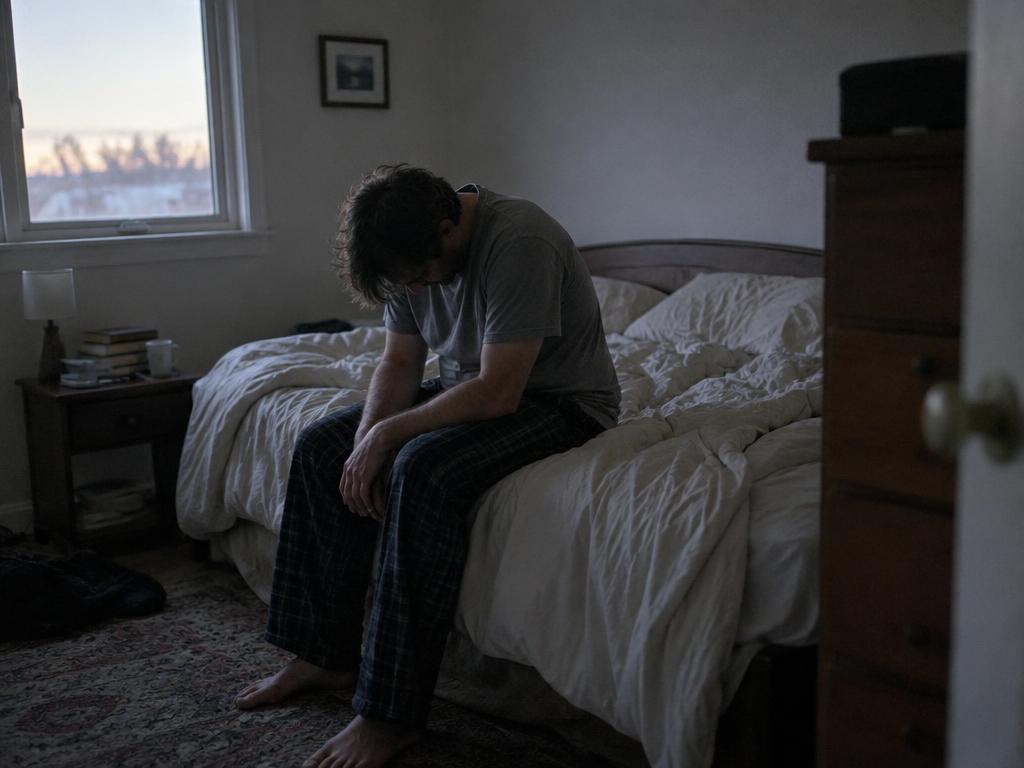
Men rarely walk in and say they think their testosterone is low. They say training stopped working, sleep is worse, they are irritable with people they like, and they cannot find the drive they used to take for granted. Some of that is load and lifestyle. Some of it shows up on a lab panel.
7 min read · Updated September 2, 2026 · Reviewed by Brittany Zaretsky, MSN, APRN, FNP-BC
The symptom clusters worth taking seriously
Isolated symptoms mean very little. Patterns mean more, especially when several appear together and persist for months rather than weeks.
- Energy that does not recover with a normal night of sleep
- Reduced libido, weaker morning erections, or erectile changes
- Strength plateaus and slower recovery despite consistent training
- Increasing central body fat with no clear change in intake
- Low mood, blunted motivation, irritability, or brain fog
- Poor sleep quality, including waking through the night
Why symptoms alone are not a diagnosis
Every symptom above has multiple possible causes. Sleep apnea, thyroid dysfunction, iron deficiency, depression, alcohol load, chronic under-recovery, and several common medications produce the same picture. Treating testosterone when the driver is untreated apnea leaves the real problem in place.
This is why a legitimate workup begins with history and testing rather than a prescription, and why some men leave an evaluation with a referral or a different treatment instead of TRT.
What a real workup includes
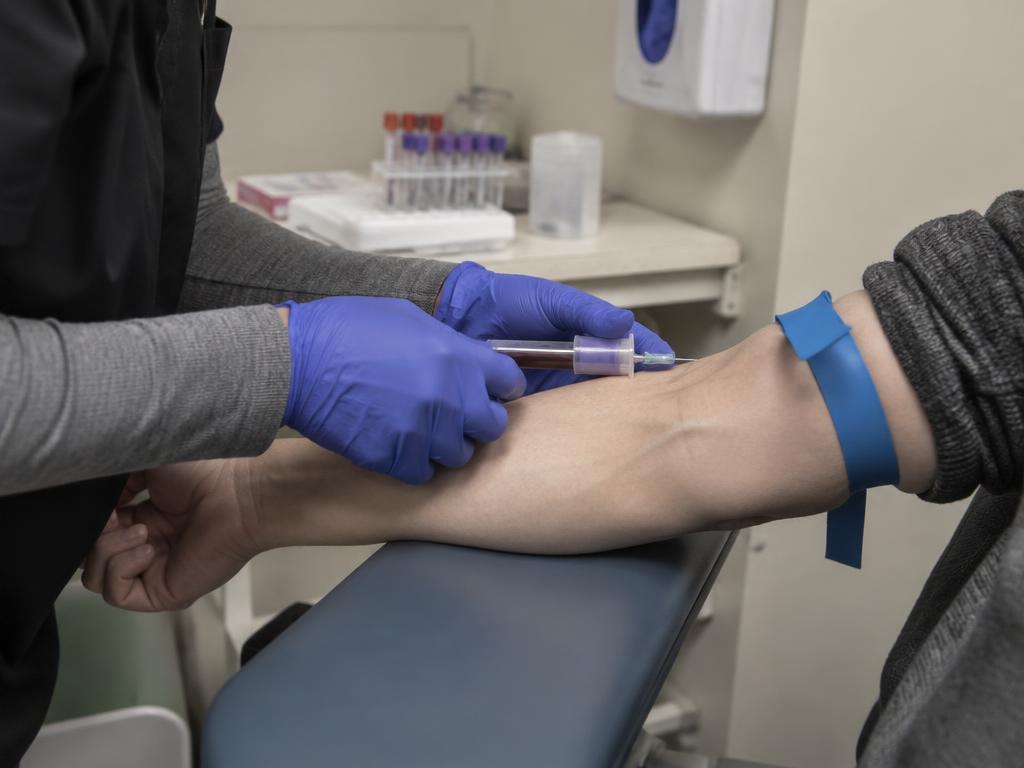
Testosterone is measured in the morning, when levels are highest, and confirmed rather than treated off a single number. It is interpreted alongside other markers and your symptoms, not in isolation.
- Total and free testosterone, drawn in the morning and confirmed
- Supporting hormones such as LH, FSH, and prolactin where indicated
- Estradiol, thyroid function, ferritin, CBC, and a metabolic panel
- PSA and hematocrit as baseline safety markers before treatment
- Fertility plans discussed up front, because TRT can suppress sperm production
If treatment is appropriate, monitoring is the deal
TRT is an ongoing commitment, not a course you finish. Follow-up labs check response and safety markers including hematocrit, estradiol, and PSA where appropriate, and dosing is adjusted from those results plus how you actually feel.
A first-time consultation is $150 and follow-up visits are $75. Labs and medication are billed separately. The honest version: if you are not willing to keep up with monitoring, this is not the right treatment.
A $150 consultation is where the guessing stops.
Follow-up visits are $75. Labs and medication are billed separately.
Answered plainly.
Levels tend to decline gradually with age, but symptomatic low testosterone occurs in men in their thirties and forties as well. Age is a factor in interpretation, not a threshold for testing.
No. Testosterone is typically measured in the morning and confirmed with repeat testing, then interpreted alongside supporting labs and your symptoms before treatment is considered.
A first-time consultation is $150 and follow-up visits are $75. There is no free consultation. Lab work and medication are billed separately, and ongoing monitoring labs are part of treatment.
Testosterone therapy can suppress sperm production, so plans for future fertility should be discussed before starting. Your provider will review alternatives and protective options where relevant.
More on our general FAQ page.
This article is educational and is not medical advice. Hormone therapy is a prescription treatment that carries risks and requires ongoing monitoring. Whether it is appropriate for you is determined only by a licensed provider after evaluation.
Online appointments are available to eligible patients in Boca Raton, Parkland, Delray Beach, Coral Springs, Boynton Beach, Miami, throughout Florida, and statewide in Arizona.