Peptide therapy, minus the hype: what to ask before you buy anything
Peptides are short chains of amino acids that act as signaling molecules. That single sentence covers everything from well-studied prescription medications to compounds sold online with claims no one has substantiated. Treating those as one category is how people get hurt or waste money.
6 min read · Updated September 2, 2026 · Reviewed by Brittany Zaretsky, MSN, APRN, FNP-BC

The category is wider than the marketing suggests
Some peptides are established prescription treatments with substantial clinical data behind specific uses. Others have preliminary research, narrow indications, or evidence limited to laboratory and animal studies. Many products marketed directly to consumers fall into the last group while being described as though they belonged to the first.
A useful habit: ask what a compound is approved or commonly prescribed for, what the evidence actually shows for the use being proposed, and who is monitoring you while you take it.
Where the risk really sits
The greatest risks in this space are usually not exotic. They are unverified sourcing, unclear dosing, no baseline testing, no monitoring, and no one accountable if something goes wrong.
- Research-only products are not manufactured for human use
- Interactions with your current medications need review by a provider
- Some compounds are inappropriate with certain histories, including cancer history
- Claims about performance, longevity, or fat loss are frequently unsupported
- Without baseline labs, there is no way to interpret what changes later
What provider-guided care looks like instead
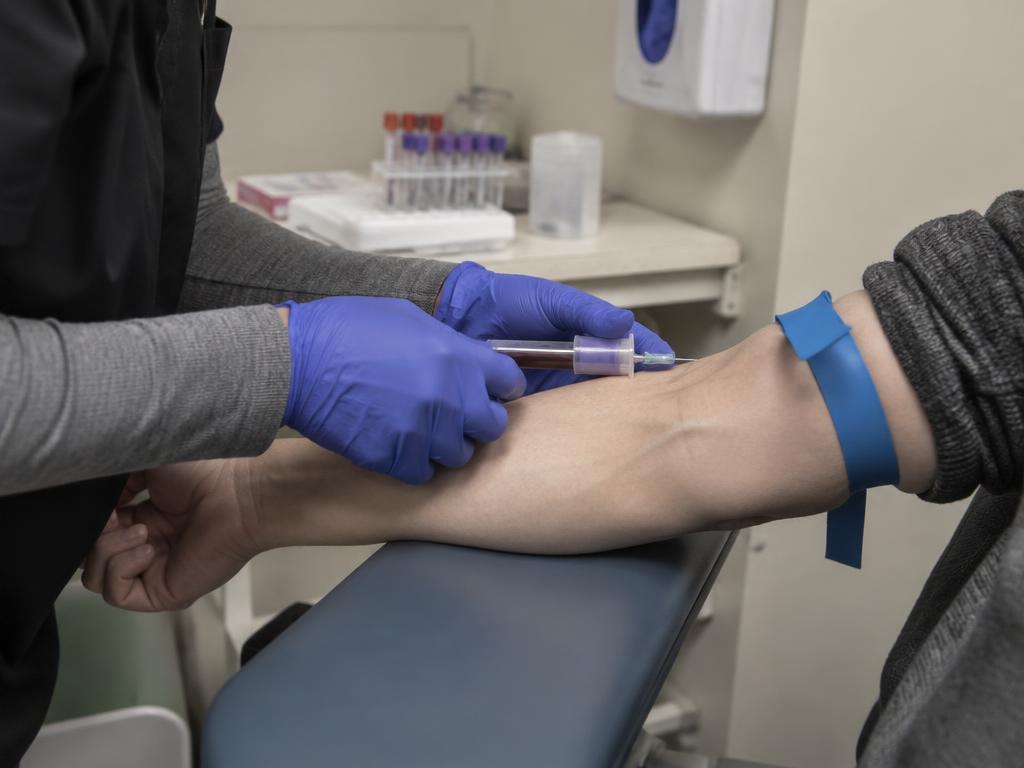
In a clinical setting, peptide therapy begins with the same groundwork as any other prescription: history, current medications, goals, appropriate testing, and an honest conversation about what the evidence supports for your situation. Prescriptions are dispensed through licensed pharmacies, and you are followed on a schedule.
Sometimes the outcome of that conversation is that a peptide is not the right tool and something better established is. That is a feature, not a failure.
Logistics and pricing
Care is delivered by secure telehealth for eligible adults in Florida and Arizona, with lab work completed at a facility near you. A first-time consultation is $150 and follow-up visits are $75. Labs and medication are billed separately.
A $150 consultation is where the guessing stops.
Follow-up visits are $75. Labs and medication are billed separately.
Answered plainly.
Safety depends entirely on which compound, what dose, your history and medications, the source, and whether you are being monitored. It is not a property of the category as a whole, which is why an evaluation comes first.
Consumer and research-market products often lack verified sourcing, human-use manufacturing, dosing guidance, and any monitoring. Interactions with your current medications also go unreviewed.
Baseline testing is ordered when clinically appropriate so that your provider has something to interpret changes against. What is needed depends on the compound under consideration and your history.
A first-time consultation is $150 and follow-up visits are $75. There is no free consultation. Labs and medication are billed separately.
More on our general FAQ page.
This article is educational and is not medical advice. GLP-1 medications are prescription treatments that are not appropriate for everyone. Eligibility, dosing, and monitoring are determined only by a licensed provider, and results vary from person to person.
Online appointments are available to eligible patients in Boca Raton, Parkland, Delray Beach, Coral Springs, Boynton Beach, Miami, throughout Florida, and statewide in Arizona.