TRT, honestly: who it helps, what it requires, and what it costs
Testosterone therapy gets sold as a shortcut and treated as one. Done properly it is an ongoing medical treatment with a diagnostic threshold, a monitoring schedule, and real trade-offs, starting with fertility.
8 min read · Updated September 1, 2026 · Reviewed by Brittany Zaretsky, MSN, APRN, FNP-BC

Symptoms are the reason to test, not the diagnosis
Fatigue, low libido, poor recovery, irritability, brain fog, disrupted sleep, and stubborn central weight gain all show up on low-testosterone checklists. They also show up in sleep apnea, thyroid disease, depression, iron deficiency, chronic under-recovery, and heavy alcohol use.
That overlap is exactly why a symptom quiz cannot diagnose anything. It tells your provider where to look. Labs, history, and examination decide what is actually happening.
What a real evaluation includes
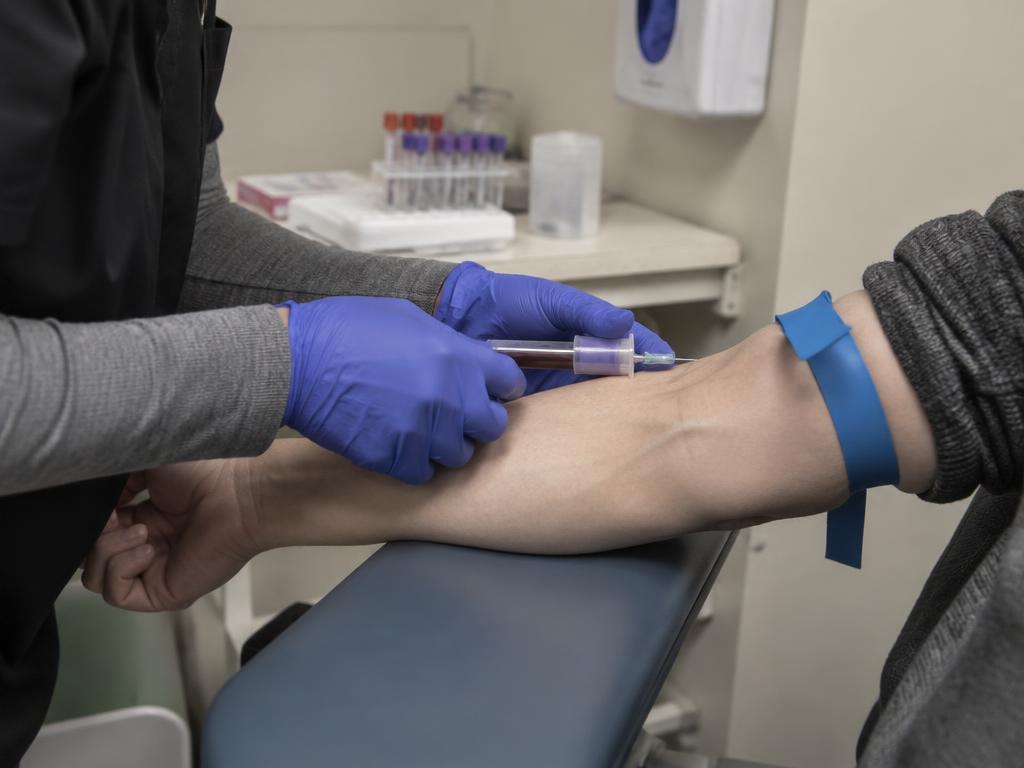
Testosterone is highest in the morning and moves day to day, so a single afternoon draw is not a diagnosis. Standard practice is two separate morning total testosterone measurements, plus supporting labs to interpret them and to establish a baseline for monitoring.
- Two morning total testosterone draws on separate days
- LH and FSH to distinguish primary from secondary causes
- Free testosterone and SHBG when total results are borderline
- Estradiol, prolactin, and a thyroid panel when clinically indicated
- CBC and hematocrit as a baseline, since TRT can raise red blood cell counts
- PSA where age-appropriate, plus a metabolic and lipid picture
Fertility is the trade-off to understand first
Exogenous testosterone suppresses your body's own production and can significantly reduce sperm count, in some cases for an extended period after stopping. If you may want children, say so during your first consultation. It changes the conversation and sometimes the treatment entirely.
There are alternative approaches to discuss in that situation, and there are men for whom the right answer is treating the sleep apnea, the weight, or the alcohol load first and re-testing after.
Monitoring is not optional
Once therapy starts, follow-up labs check whether levels landed in a reasonable range and whether hematocrit, estradiol, and PSA are behaving. Dose and delivery method get adjusted from those results and from how you actually feel, not from a target number alone.
Any clinic willing to prescribe testosterone without labs or a monitoring plan is not doing medicine. First-time consultations are $150, follow-ups are $75, and labs and medication are billed separately.
A realistic timeline
Libido and mood often shift within the first few weeks. Energy and training recovery tend to follow over one to three months. Changes in body composition are slower and depend heavily on whether you are training and eating like someone who wants them.
A $150 consultation is where the guessing stops.
Follow-up visits are $75. Labs and medication are billed separately.
Answered plainly.
No. Diagnosis requires laboratory confirmation, typically two separate morning testosterone measurements plus supporting labs. Prescribing testosterone without that workup is not appropriate care.
Testosterone therapy suppresses natural production and can substantially reduce sperm count, sometimes for a prolonged period after stopping. Tell your provider during the first consultation if you may want children so alternatives can be considered.
A first-time consultation is $150 and follow-up visits are $75. Lab work and medication are billed separately, labs to the laboratory and medication to the pharmacy, so the total depends on your panel, coverage, and prescribed product.
Evaluation, lab review, dose management, and follow-up can generally be handled through secure telehealth for eligible patients in Florida and Arizona. Lab draws happen locally at a collection site.
More on our general FAQ page.
This article is educational and is not medical advice. Testosterone therapy is a prescription treatment that is not appropriate for everyone. It carries risks, including effects on fertility and blood counts, and requires ongoing monitoring. Eligibility is determined only by a licensed provider.
Online appointments are available to eligible patients in Boca Raton, Parkland, Delray Beach, Coral Springs, Boynton Beach, Miami, throughout Florida, and statewide in Arizona.