Hormone therapy after 40: what women should ask before starting
Most women arrive at hormone therapy after years of being told their symptoms are stress, or normal, or something to wait out. A good evaluation does the opposite: it takes the symptoms seriously, names the risks plainly, and gives you enough information to decide.
7 min read · Updated September 2, 2026 · Reviewed by Brittany Zaretsky, MSN, APRN, FNP-BC

Start with what you are actually trying to fix
Hot flashes and night sweats, sleep disruption, vaginal dryness and painful sex, mood and anxiety changes, brain fog, joint aches, and cycle changes are all common in perimenopause and menopause, but they do not all respond to the same intervention.
Writing down your top two or three most disruptive symptoms before the visit sharpens the entire conversation, because it defines what success would look like and how you will both know whether the plan is working.
Questions worth asking out loud
You are entitled to clear answers on all of these, and a provider who welcomes the questions is a good sign.
- Which of my symptoms would you expect this to help, and which it would not
- What are the risks given my personal and family history
- What form and route are you recommending, and why that one for me
- Do I need progesterone, and what determines that
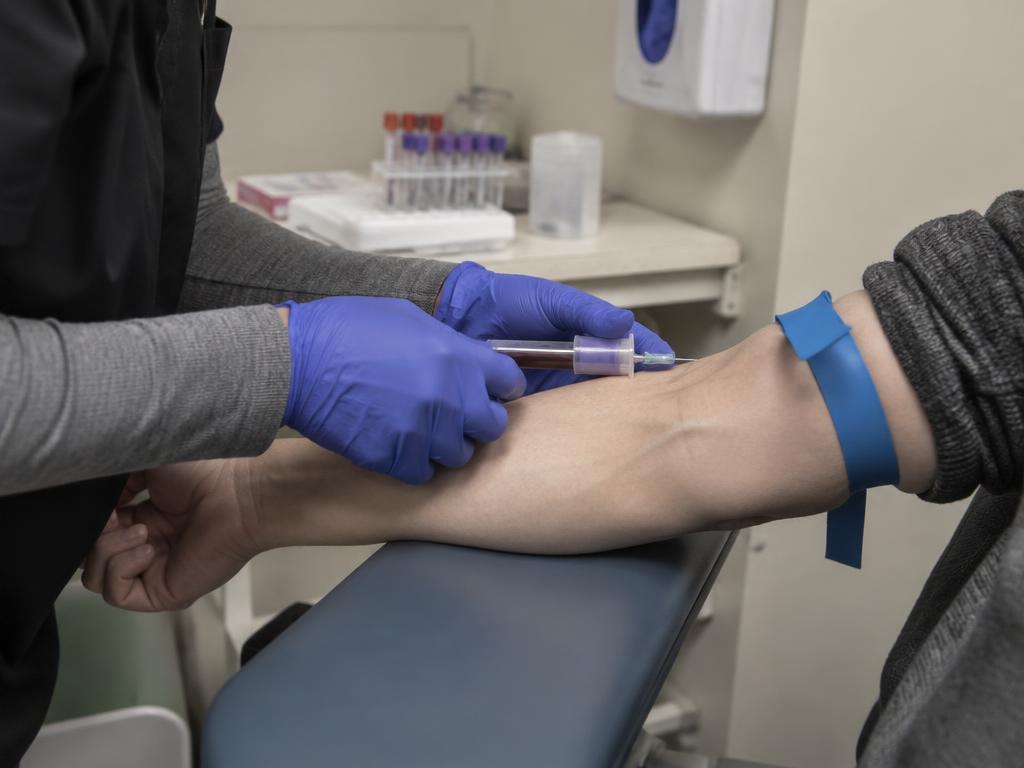
- What testing do I need before starting and while on treatment
- How often will we reassess, and what would make you stop or change treatment
History drives eligibility more than age
Certain histories, including some cancers, clotting disorders, cardiovascular disease, liver disease, or unexplained vaginal bleeding, change whether hormone therapy is appropriate or which route is considered. Age-appropriate screening such as mammography and cervical screening should be current.
Being told a treatment is not appropriate is not a dead end. Non-hormonal options, sleep evaluation, thyroid and iron workups, and metabolic care address a meaningful share of the same complaints.
Monitoring and what visits cost
Hormone therapy is reviewed on a schedule, not set and forgotten. Early follow-up checks symptom response, side effects, bleeding patterns, and dose fit; visits typically space out once you are stable, and treatment is reassessed periodically rather than continued indefinitely by default.
A first-time consultation is $150 and follow-up visits are $75. There is no free consultation. Labs and medication are billed separately.
A $150 consultation is where the guessing stops.
Follow-up visits are $75. Labs and medication are billed separately.
Answered plainly.
No. Many women are evaluated during perimenopause, while cycles are still occurring but changing. Symptoms and history drive the evaluation rather than a single milestone.
It carries risks that depend on your personal and family history, the type and route used, and how long treatment continues. Whether the balance of risk and benefit favors treatment for you is a decision to make with a licensed provider after evaluation.
Panels are individualized, but thyroid function, ferritin and CBC, metabolic markers, and hormone levels interpreted in the context of your cycle and symptoms are common starting points.
Evaluation, lab review, prescribing when appropriate, and follow-up can generally be handled by secure telehealth for eligible patients in Florida and Arizona. Lab draws and age-appropriate screening happen locally.
More on our general FAQ page.
This article is educational and is not medical advice. Hormone therapy is a prescription treatment that carries risks and requires ongoing monitoring. Whether it is appropriate for you is determined only by a licensed provider after evaluation.
Online appointments are available to eligible patients in Boca Raton, Parkland, Delray Beach, Coral Springs, Boynton Beach, Miami, throughout Florida, and statewide in Arizona.