Perimenopause starts earlier than most women are told
Perimenopause can run for a decade before a final period, often beginning in the late thirties or early forties. Most women are told their labs are normal and sent home, because during perimenopause, labs frequently are normal.
7 min read · Updated September 1, 2026 · Reviewed by Brittany Zaretsky, MSN, APRN, FNP-BC
The symptom pattern worth taking seriously
Perimenopausal hormone shifts are erratic rather than simply declining, which is why symptoms come in waves and vary month to month.
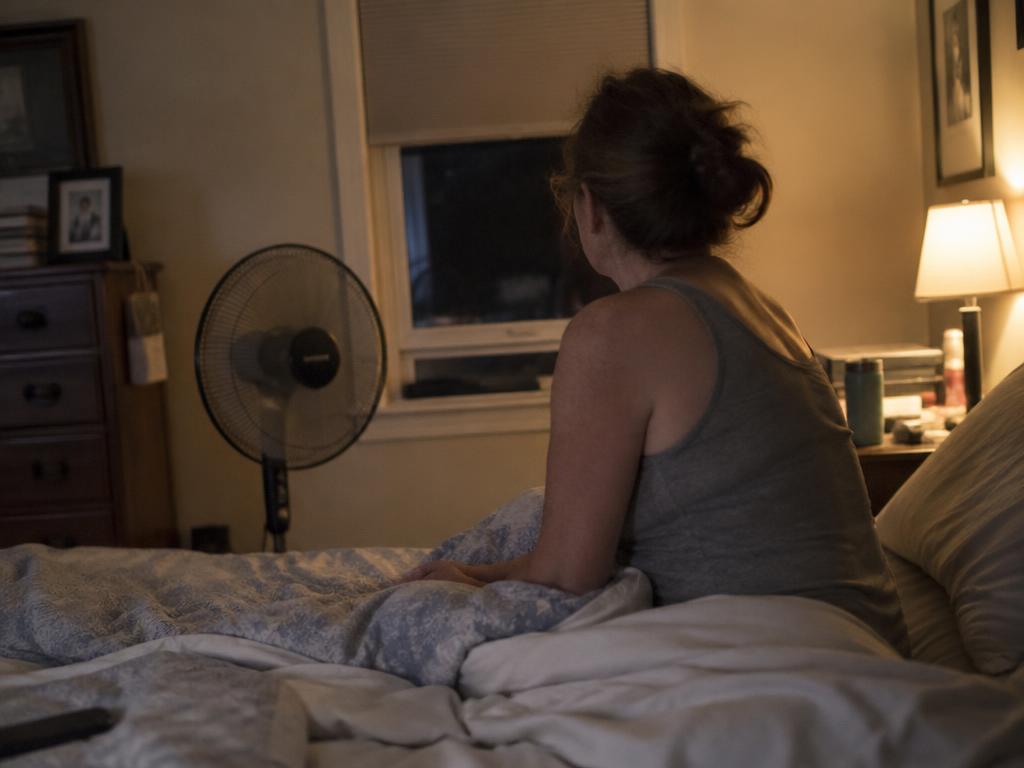
- Sleep that fragments, especially waking around 2–4 a.m.
- Cycles that shorten, lengthen, or become heavier or lighter
- New anxiety, low mood, irritability, or a noticeably shorter fuse
- Hot flashes, night sweats, and temperature intolerance
- Brain fog and word-finding trouble
- Weight redistribution toward the midsection despite unchanged habits
- Joint aches, dry skin, vaginal dryness, and reduced libido
Why 'your labs are normal' is not the end of the conversation
In perimenopause, estradiol and FSH fluctuate enough that a single draw can look completely unremarkable while symptoms are significant. For women in this stage, diagnosis is primarily clinical, the pattern of symptoms, cycle changes, and age.
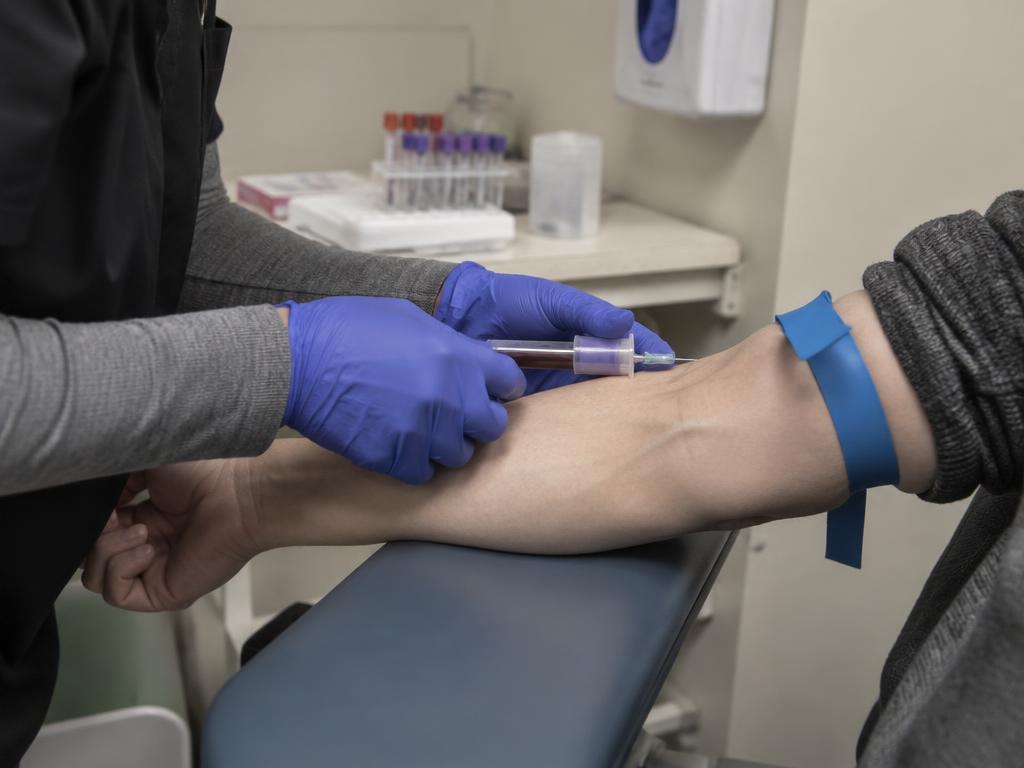
Testing still has a role. It rules out the conditions that mimic perimenopause and establishes a baseline. A thyroid panel, ferritin and CBC, a metabolic panel, and vitamin D are common starting points, with estradiol and FSH interpreted in context rather than in isolation.
How hormone therapy gets evaluated
Modern hormone therapy is individualized: symptom severity, personal and family history, cardiovascular and breast health, whether you still have a uterus, and your own risk tolerance all shape the decision. Route matters too, transdermal and oral options are not interchangeable in their risk profiles.
For many women within about ten years of menopause and without contraindications, benefits for vasomotor symptoms, sleep, and bone health can outweigh risks. For others, non-hormonal management is the better answer. That determination belongs to a provider who has reviewed your full picture, not to a checklist.
What to bring to the first consultation
Come with two to four weeks of notes: symptoms and their timing, cycle dates, sleep quality, and what you have already tried. Bring your current medication and supplement list and any labs from the past year.
First-time consultations are $150 and follow-ups are $75. Labs and medication are billed separately. Follow-up visits matter here, hormone therapy is titrated to symptoms over time, not set once and forgotten.
A $150 consultation is where the guessing stops.
Follow-up visits are $75. Labs and medication are billed separately.
Answered plainly.
Yes. Perimenopause commonly begins in the late thirties to mid forties and can last several years before the final menstrual period. Age alone does not rule symptoms in or out.
Testing is commonly part of the evaluation, both to rule out conditions that mimic perimenopause and to establish a baseline. During perimenopause, hormone levels fluctuate, so results are interpreted alongside your symptoms rather than on their own.
Hormone therapy has both benefits and risks that depend on your age, time since menopause, medical and family history, the specific formulation, and the route of delivery. A licensed provider reviews all of that with you before determining whether treatment is appropriate.
Evaluation, lab review, prescribing when appropriate, and ongoing follow-up can generally be handled by secure telehealth for eligible patients in Florida and Arizona. Some testing and screening happens locally.
More on our general FAQ page.
This article is educational and is not medical advice. Hormone therapy is a prescription treatment that carries risks and requires ongoing monitoring. Whether it is appropriate for you is determined only by a licensed provider after evaluation.
Online appointments are available to eligible patients in Boca Raton, Parkland, Delray Beach, Coral Springs, Boynton Beach, Miami, throughout Florida, and statewide in Arizona.